AI-powered answer engines such as Google AI Overviews, ChatGPT, Perplexity, and Gemini are changing how information is discovered, impacting search visibility alongside classic blue-link rankings.
As a result, SEO has entered a new era where ranking on page one is no longer enough; brands must also be visible inside AI-generated answers.
After testing multiple AI SEO tools for keyword clustering, content optimization, SERP analysis, and AI visibility tracking, one thing became clear: not every AI-powered SEO tool delivers real value. While some simply automate repetitive tasks, others fundamentally improve how SEO strategies are built and executed.
Below is a well-chosen list of the best AI SEO tools in 2026 that help brands succeed in both traditional search results and AI-powered answer engines.
Here are the main things I looked at when picking the best AI SEO software.
Here are the main factors I considered when selecting these platforms.
Advanced AI visibility tracking:
Tools must measure brand presence across AI-driven platforms like ChatGPT, Perplexity, Google AI Overviews, Gemini, and other LLMs, including how often a brand appears and its average position in AI-generated responses.
Prompt and keyword tracking:
The platform should identify and track exact user prompts in AI search tools, allowing marketers to add custom queries and monitor AI visibility over time.
Unified AI and traditional SEO optimization:
An ideal tool combines classic blue-link SEO with AI answer optimization in one workflow, helping brands stay competitive as AI-driven search continues to evolve.
After testing the best AI SEO tools in 2026, this article covers the platforms that delivered the strongest results.
1. SEMRUSH
Semrush remains a go-to all-in-one SEO platform, covering everything from keyword research to technical site audits.
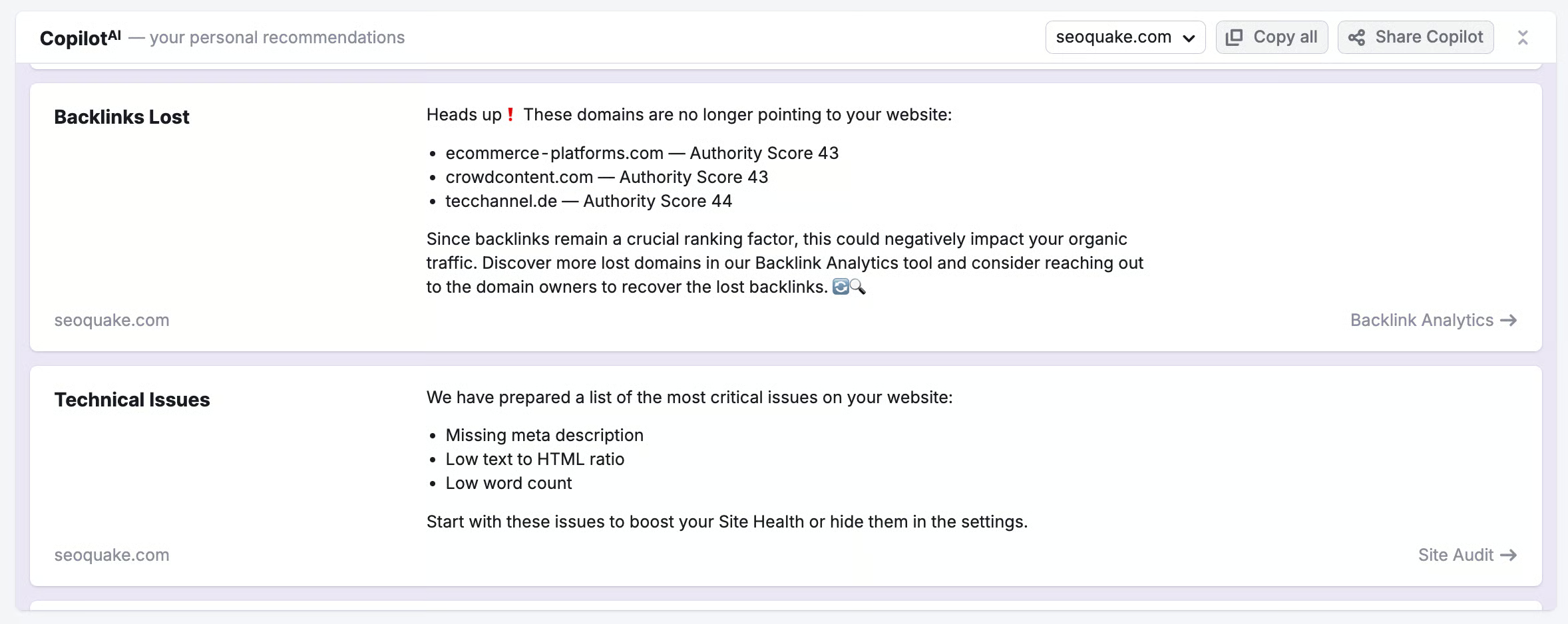
Its AI-powered assistant, Semrush Copilot, simplifies day-to-day SEO by automatically detecting issues such as technical errors, toxic backlinks, traffic drops, and keyword gaps. It also explains why each issue matters, helping marketers understand its impact.
When a problem is identified, Copilot links directly to the relevant tool, allowing users to take action and fix issues quickly.
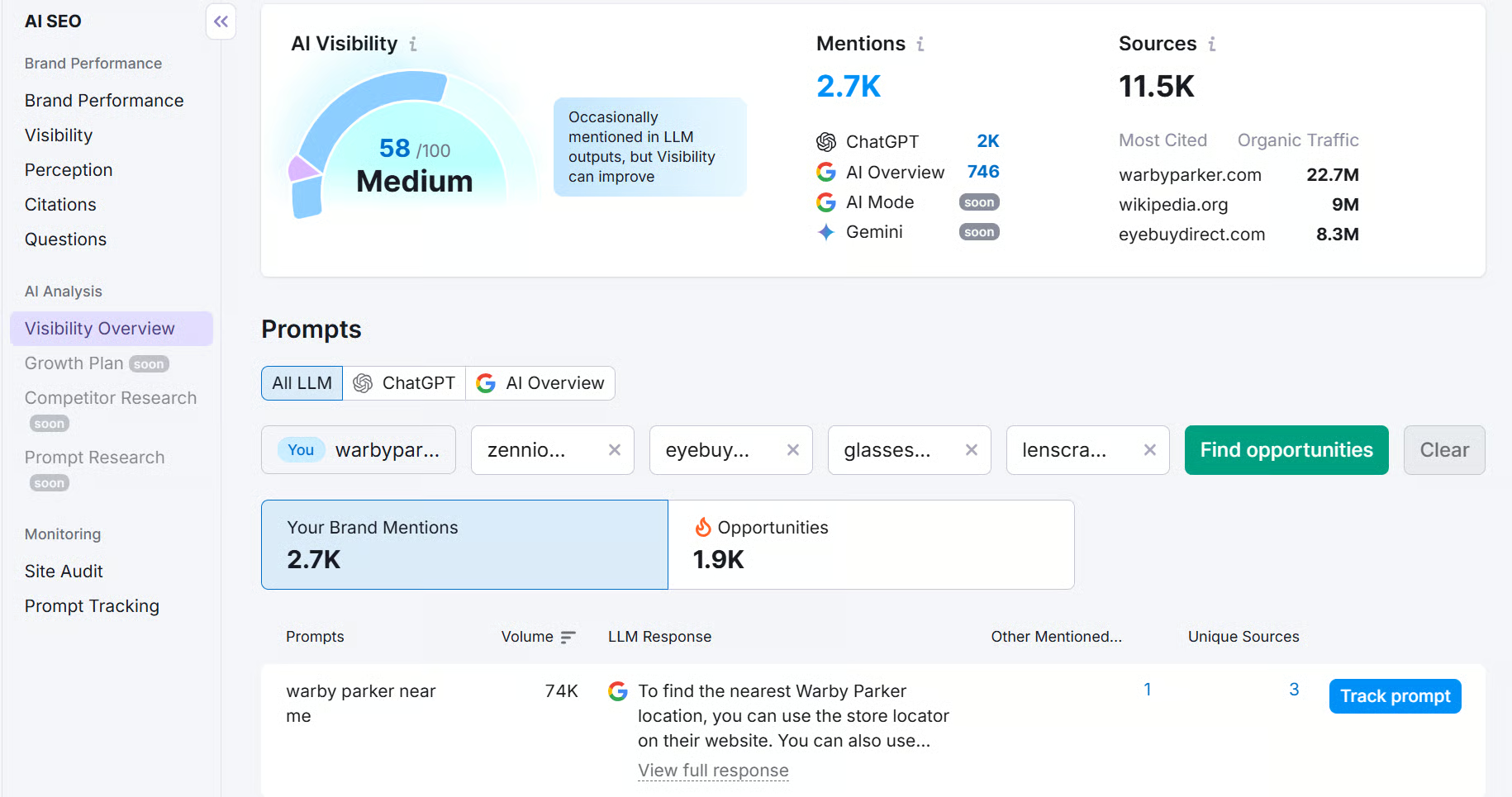
Semrush’s Visibility Overview tool tracks how your site appears in AI-powered results, including ChatGPT and Google AI Overviews. It highlights key metrics such as overall AI visibility, brand mentions, and source citations.
The tool also shows the specific prompts you rank for, the AI-generated responses, and lets you filter results by ChatGPT or AI Overviews. Custom prompts can be added and monitored through the Prompt Tracking tab.
2. Ahrefs
Ahrefs is one of the most trusted SEO tools and has seamlessly integrated AI across its platform. It uses AI to support keyword research, content creation, brand monitoring, technical SEO, and localization.
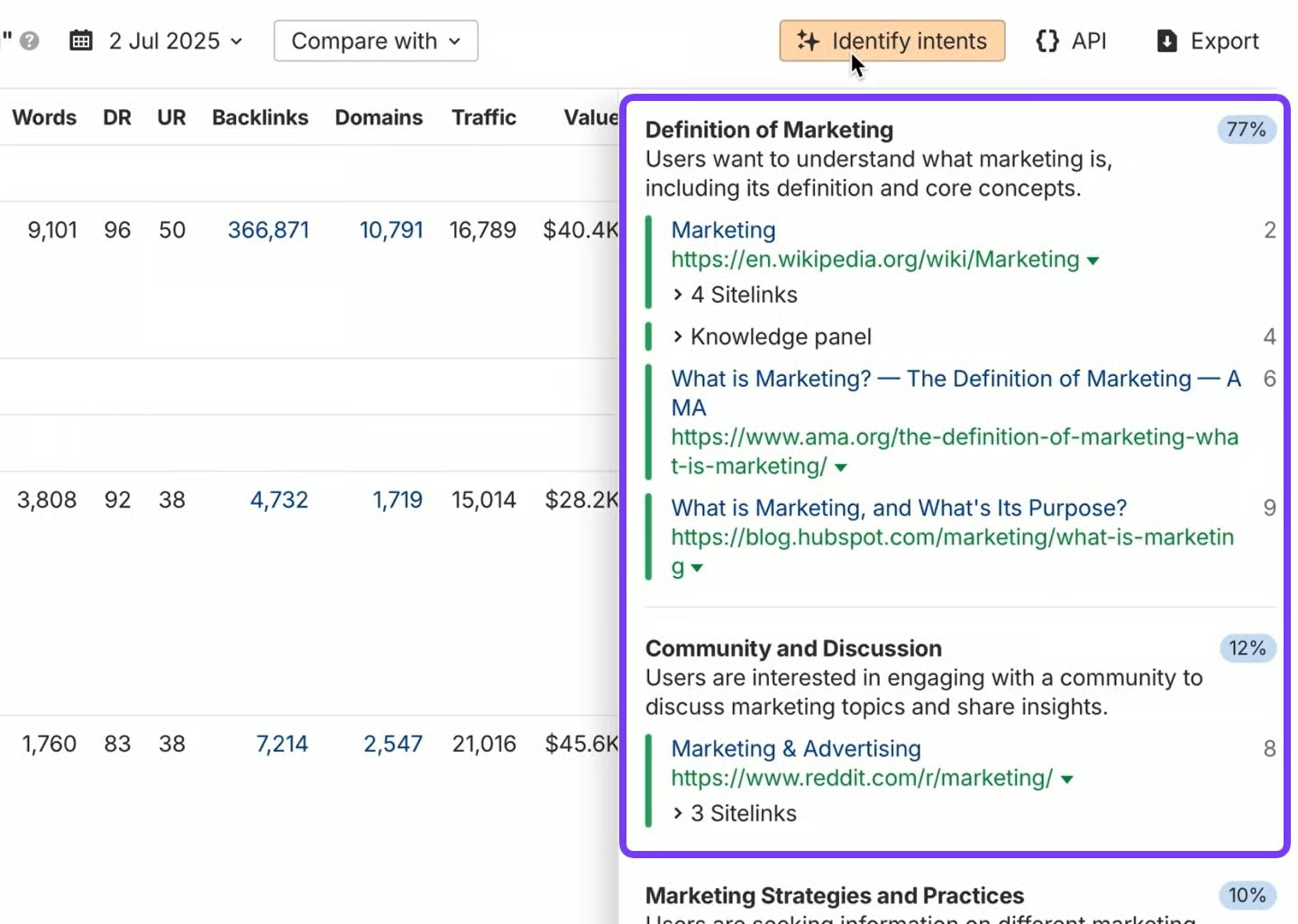
For keyword research, you can define your niche and target audience, and Ahrefs’ AI generates relevant keyword ideas with key metrics. Its SERP analysis also provides deeper insights into search intent, helping you understand exactly what users expect from top-ranking pages.
For global SEO, Ahrefs offers keyword suggestions in over 40 languages and dialects, complete with essential SEO metrics.
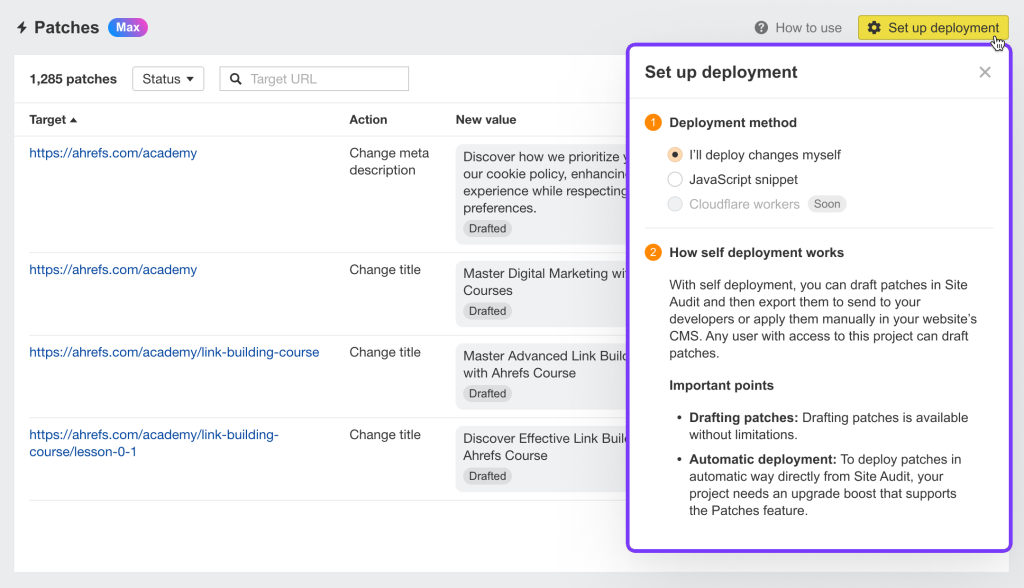
Its AI also identifies weak SEO elements, such as overly long titles or meta descriptions, and recommends optimized alternatives. On the technical side, Ahrefs detects issues like broken links and lets you fix them by setting automatic redirects to your preferred URLs.
You also get access to other AI tools for SEO with Ahrefs, including Brand Radar, which tracks your site performance on Google’s AI Overviews and various LLMs like ChatGPT and Perplexity.
3. SE Ranking
SE Ranking combines core SEO tools like keyword research, rank tracking, and backlink analysis with powerful AI-driven features.
Its Google AI Overview Tracker shows whether your site appears in AI Overviews and provides metrics such as overall AIO visibility, share of mentions and links, top-three citations, and the exact keywords triggering AIOs. The platform also includes visual graphs with time-based filters and sorting options like AI Overview, Presence, and Organic–AI Overlap for deeper performance insights.
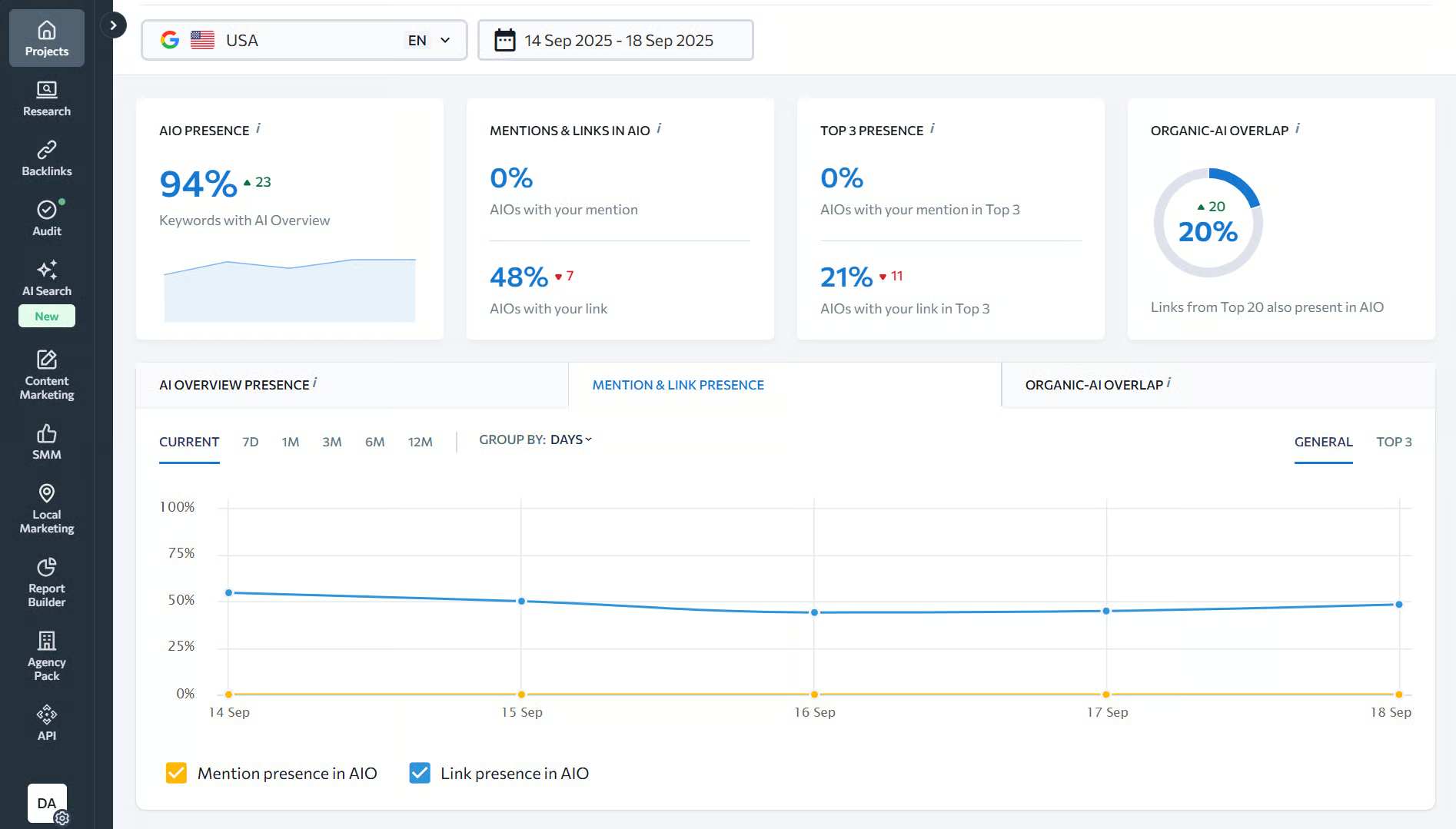
SE Ranking’s AI Results Tracker monitors your visibility across ChatGPT, Gemini, and Perplexity by tracking the specific prompts you add. The tool checks these prompts regularly to measure how often your brand appears in AI-generated results.
However, its coverage depends on the number of prompts you track, which limits visibility to only those queries.
4. Frase
Frase is mainly a content optimization platform with several useful AI-powered SEO features.
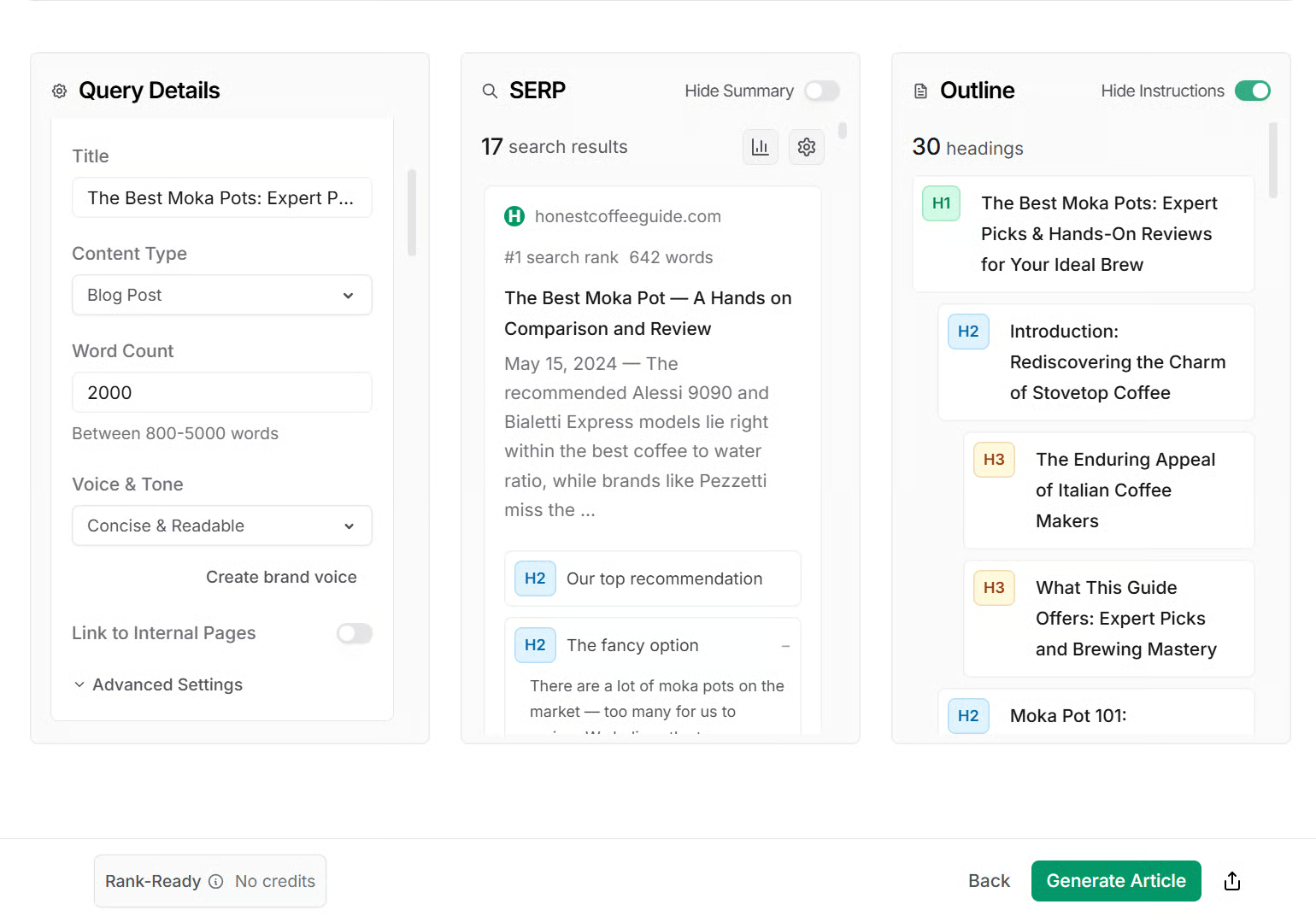
Its AI Writer analyzes SERP data for a target keyword, studies how competitors structure their content, and creates a data-backed content outline. Using this outline, Frase can generate a complete article draft that you can easily edit. You can also apply content rules—such as brand voice, tone, and style—to control the final output.
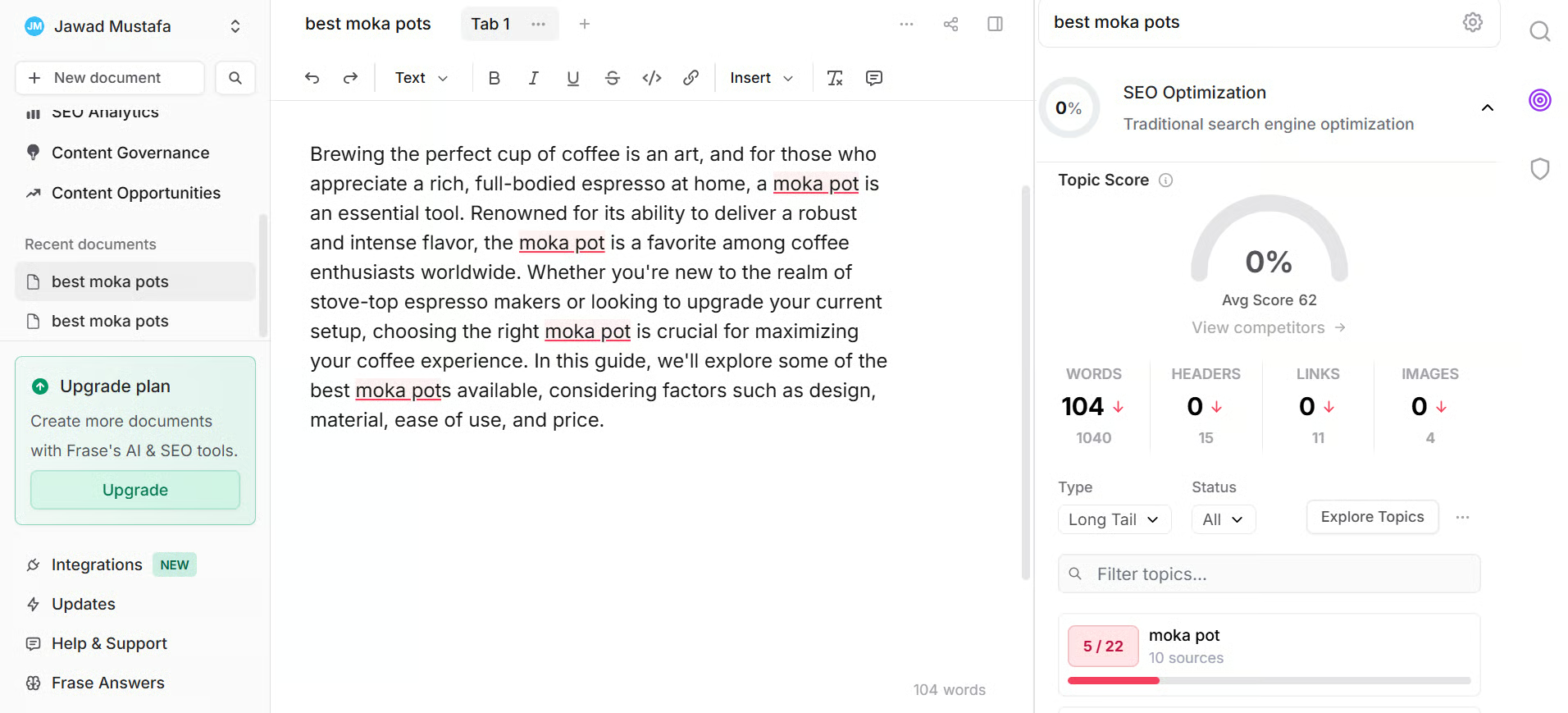
Content can be optimized by naturally adding Frase’s suggested keywords, which increases your overall content score.
Frase also includes a GEO optimization feature in beta. Since the space is still evolving, its recommendations should be used as guidance rather than absolute rules.
Frase also includes helpful AI SEO tools such as meta title and meta description generators. Beyond content creation, it supports general SEO tasks like tracking site performance and uncovering new content opportunities through Google Search Console integration.
5. MarketMuse
MarketMuse uses AI to help create SEO-optimized content while offering additional tools to improve search rankings.
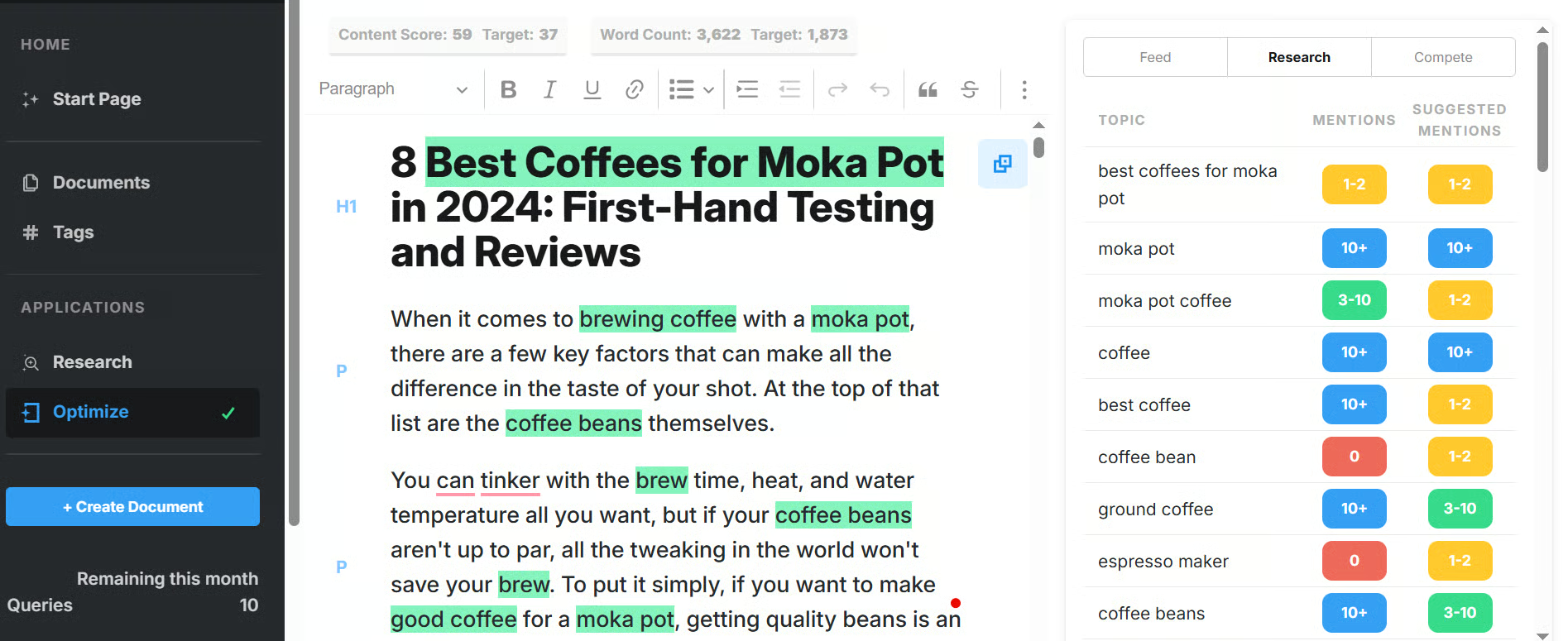
It performs SERP analysis to evaluate competitor content and provides an AI optimization score, along with insights such as heading structure, image usage, and internal and external linking.

MarketMuse identifies key terms and keywords to include in your content and recommends how frequently to use them. It also shows the exact ranking pages used for analysis, along with scores that indicate their relative strength.
In addition to its AI-driven features, MarketMuse also provides standard SEO tools such as keyword research and keyword clustering.
6. Alli AI
Alli AI is an AI-powered SEO tool focused on fixing technical and on-page issues. It scans your site for problems like missing H1 tags, untitled links, and absent meta descriptions, then lets you apply fixes with a single click.
It also includes a Live Editor that allows you to update titles, descriptions, and other on-page elements directly on your site without accessing the backend.
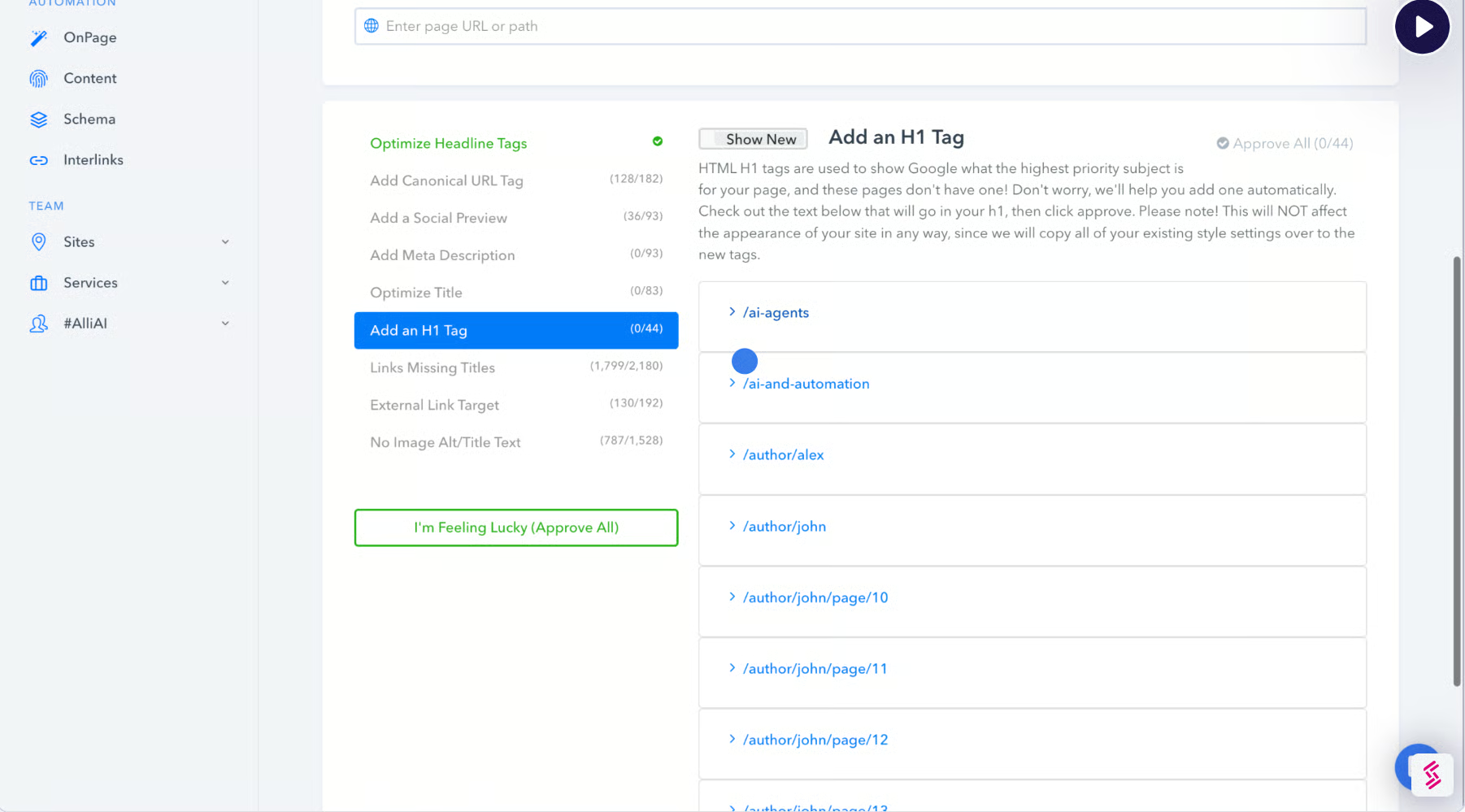
Alli AI also includes an AI search visibility engine designed to improve how LLMs crawl and access your site. It helps resolve issues caused by JavaScript dependencies or security tools like Cloudflare that can prevent AI crawlers from indexing your content and citing it in AI-generated answers.
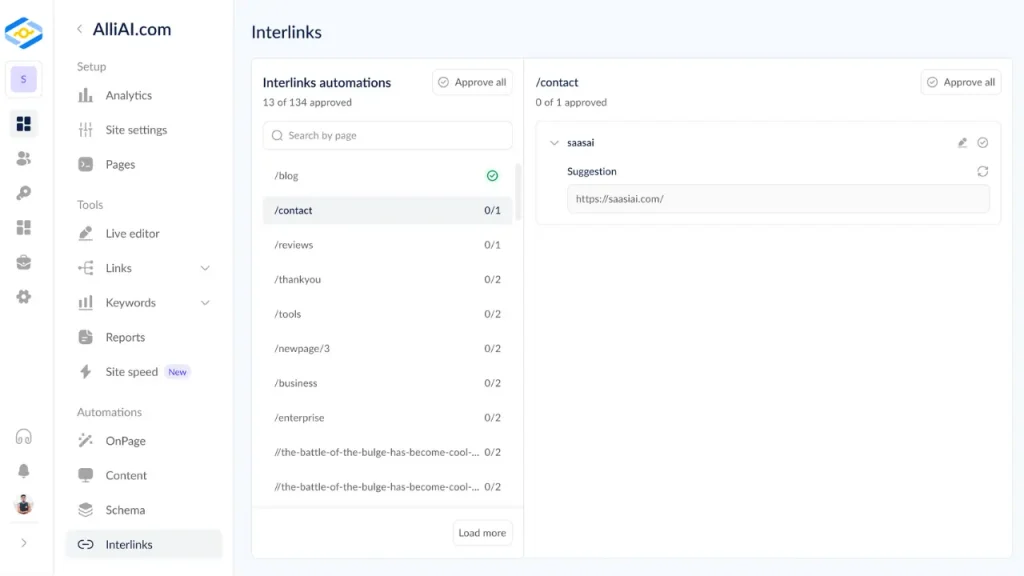
Additional AI features include a Schema Generator and internal linking automation. The schema tool creates and improves structured data to help search engines better understand your pages, while the internal linking feature identifies missed linking opportunities and suggests relevant additions.
7. Rankability
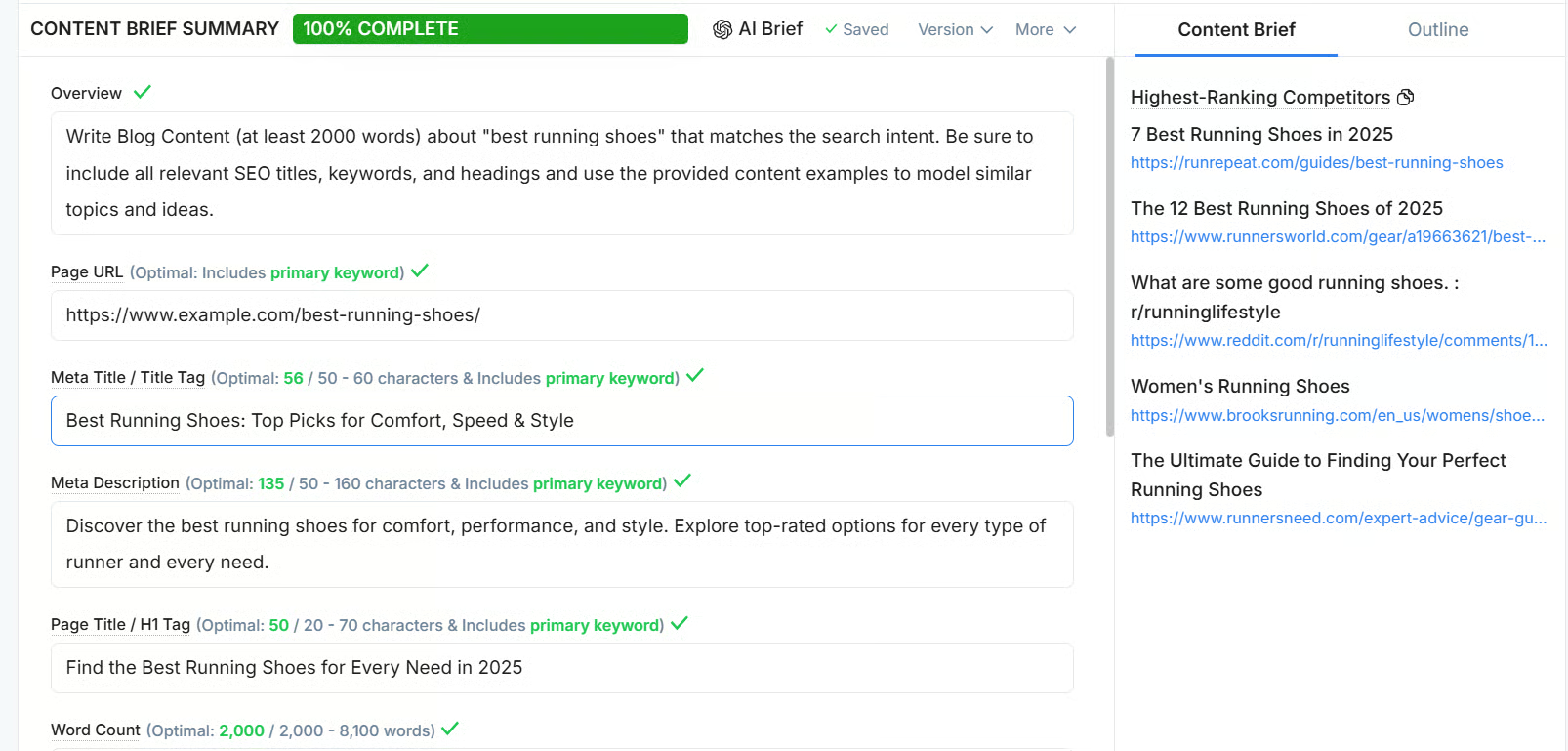
Rankability uses AI to help create content designed to rank at the top of search results. The platform supports content optimization, detailed content brief generation, and full AI-written drafts.
It starts with competitor analysis to identify search intent, target keywords, and ranking patterns. These insights—along with competitor positions and Rankability scores are then used to generate a data-backed content brief.
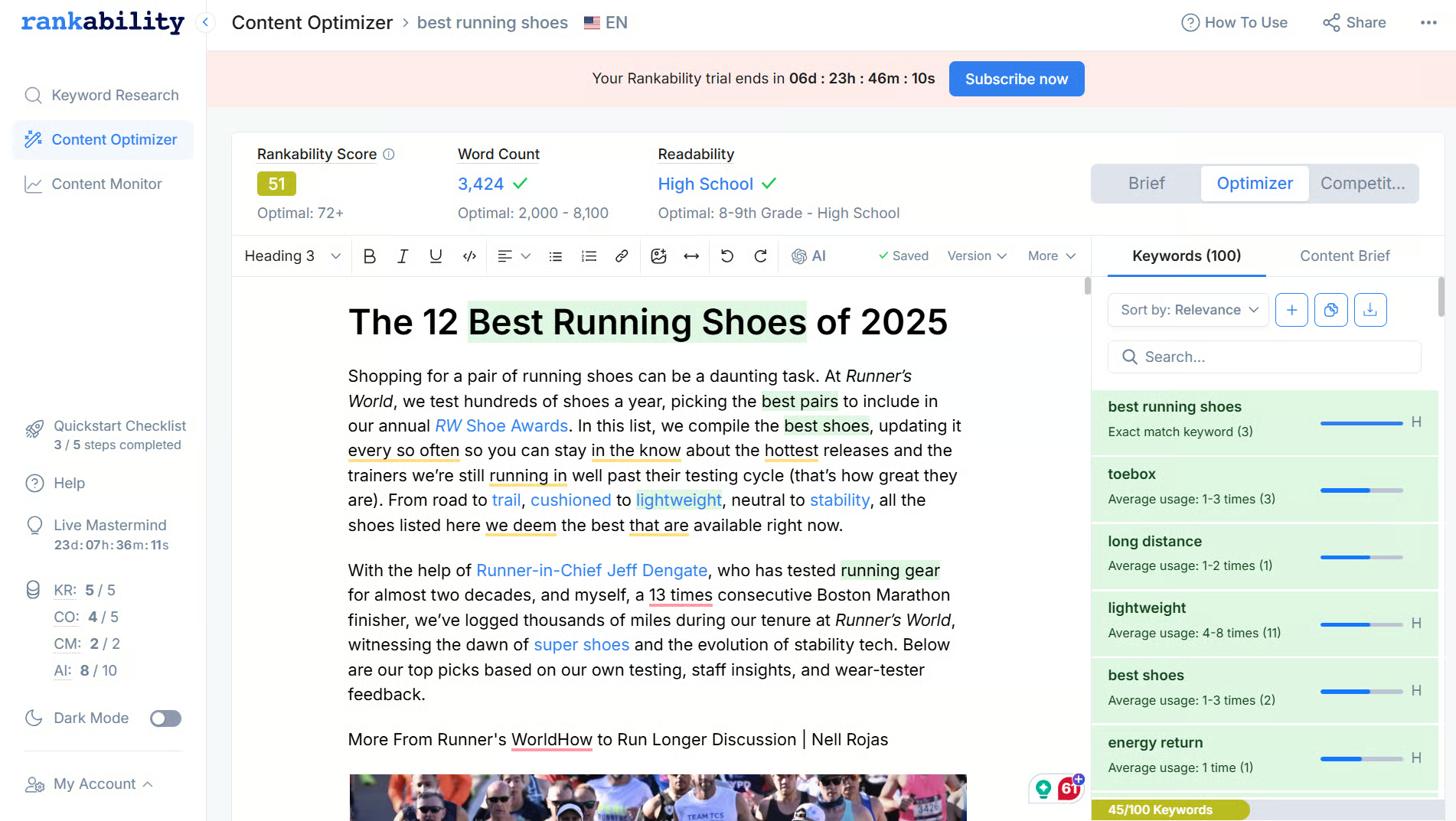
Rankability lets you either generate SEO-optimized content with AI or write it manually. Its content optimizer recommends relevant keywords and assigns a Rankability Score based on coverage.
The tool also tracks word count and readability, helping ensure your content meets search and user intent.
Rankability also offers keyword research to uncover related terms, complete with search volume, CPC, and keyword difficulty metrics.
You can track existing pages by entering a target keyword and page URL, allowing Rankability to display your current score alongside its recommended optimization score.
8. Writesonic
Writesonic is an enterprise-level generative engine optimization platform designed to track, benchmark, and improve brand visibility in AI-powered search.
It monitors how often models like ChatGPT, Gemini, Claude, Perplexity, and Google AI Overviews mention or cite your brand, showing which prompts you own, where competitors lead, and which URLs AI engines use to generate responses.
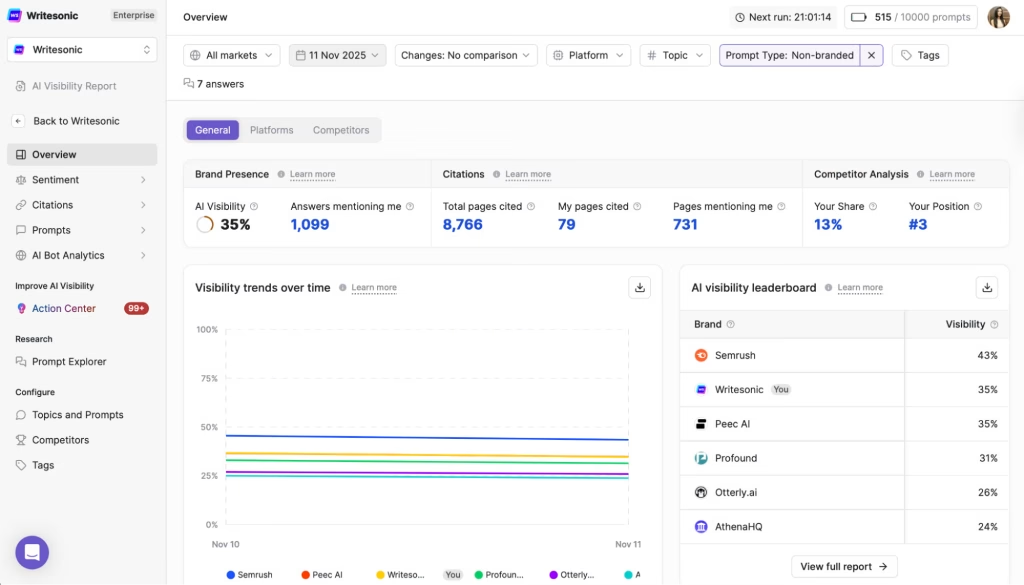
Beyond monitoring, Writesonic analyzes the sources AI models reference, tracks when AI bots successfully crawl your site, and identifies structural issues that limit LLM understanding.
Its Action Center converts these insights into clear next steps covering content gaps, page updates, crawlability fixes, and outreach workflows so teams can improve AI visibility and citations without switching tools.
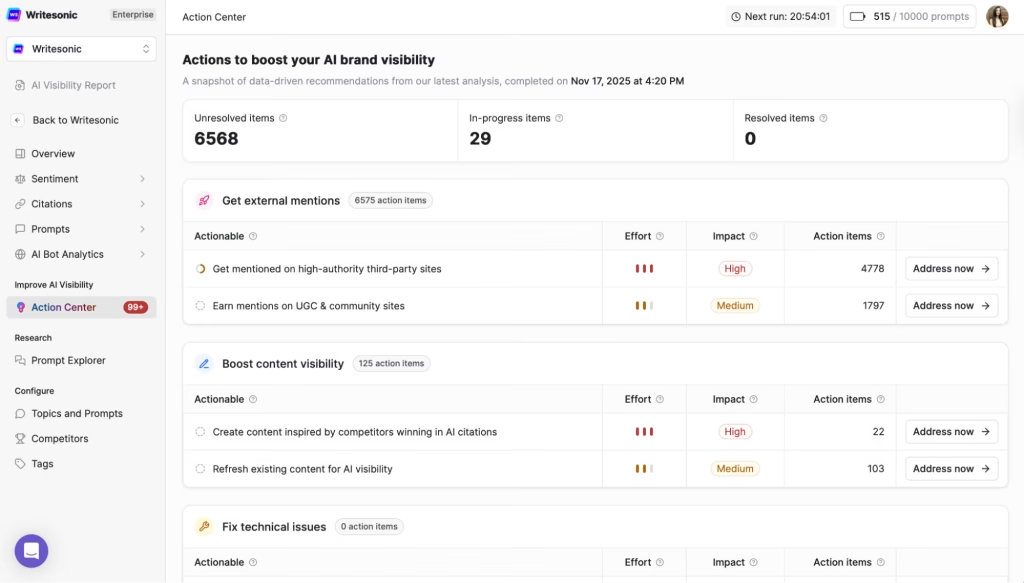
If you need a platform built specifically for the new world of AI-driven visibility, Writesonic is a comprehensive and actionable solution.
9. Surfer
Surfer provides a full SEO toolkit for both traditional blue-link rankings and AI-driven search optimization.
Its integrated workflow lets you research, optimize, and track content performance for SERPs and AI answer platforms in one place, without needing separate tools or processes.
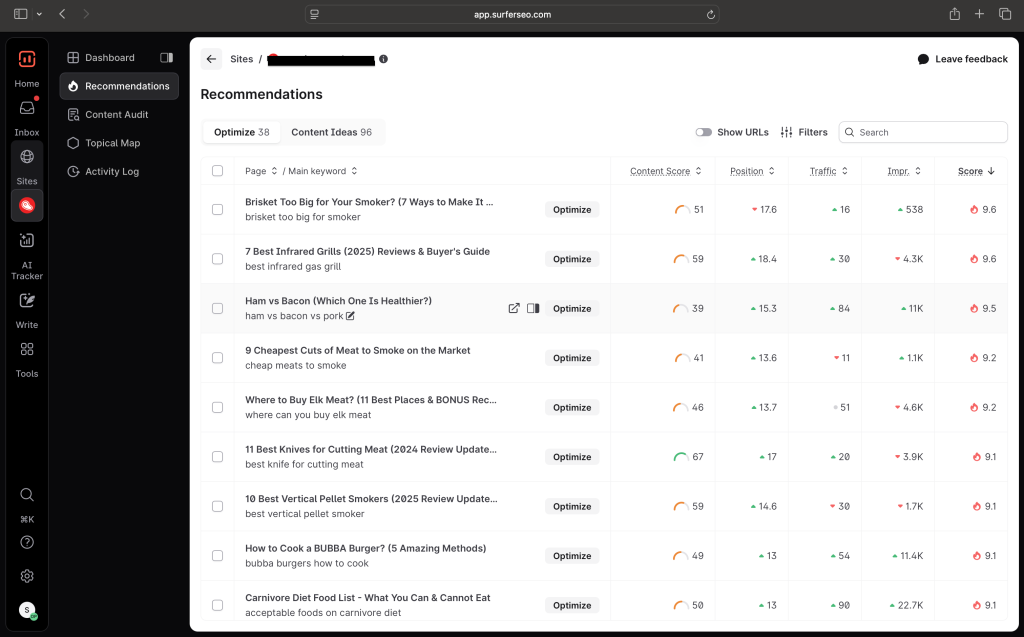
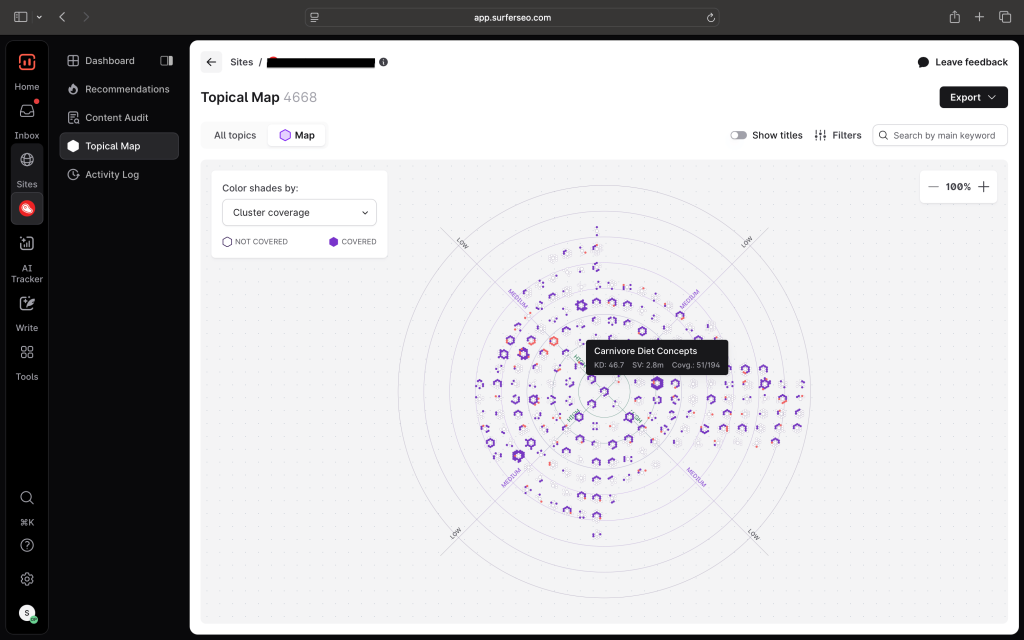
Surfer’s Recommendations help identify topics users are likely to search for in AI answer platforms. Since AI engines prioritize topical authority, Surfer’s Topical Map shows where your site already has credibility and which related topics to cover next, improving visibility in both traditional search and AI-generated answers.
Topics can be selected based on keyword difficulty and search volume to target realistic ranking opportunities.
Surfer’s AI Tracker measures AI search visibility using three key metrics: Mention Rate, Average Position, and an overall Visibility Score. It also lets you monitor competitors and see how your pages appear across platforms like ChatGPT, Perplexity, and Google AI answers.
One standout feature is prompt tracking, which allows you to add specific prompts users may enter into tools like ChatGPT and track your brand’s visibility for those queries.
10. ChatGPT
While not a traditional SEO tool, ChatGPT can still support SEO workflows, especially for generating content ideas.
If your strategy is still rough, ChatGPT can help refine it and offer practical guidance on next steps. For example, it can provide direction for building a content plan for a niche site, such as a footwear affiliate website.
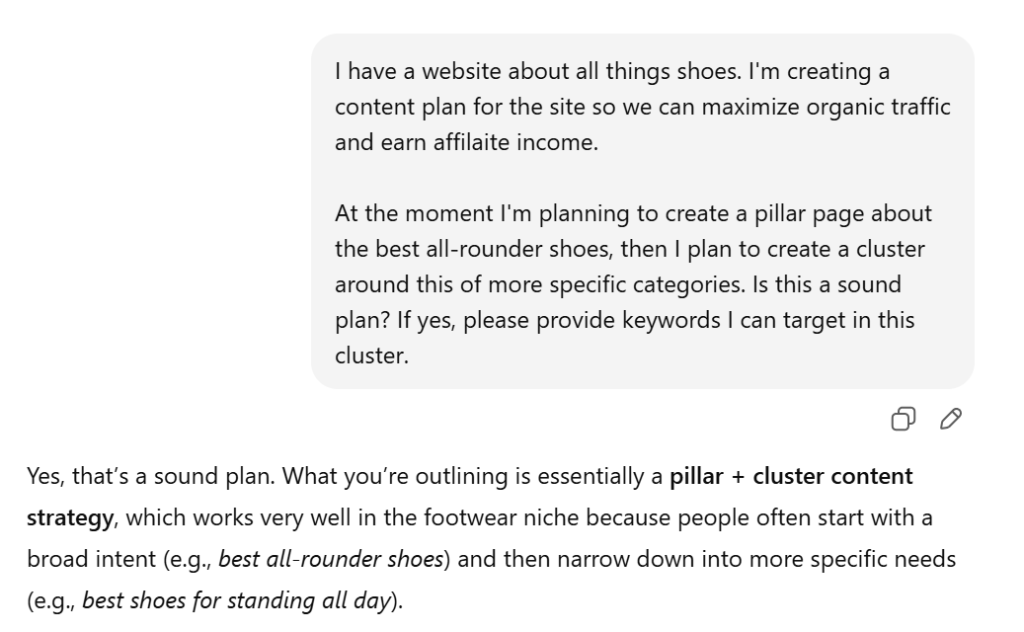
ChatGPT can generate related keyword clusters around a core topic, but it doesn’t provide SEO metrics like search volume or keyword difficulty. For that reason, its ideas should be validated using a dedicated keyword research tool.
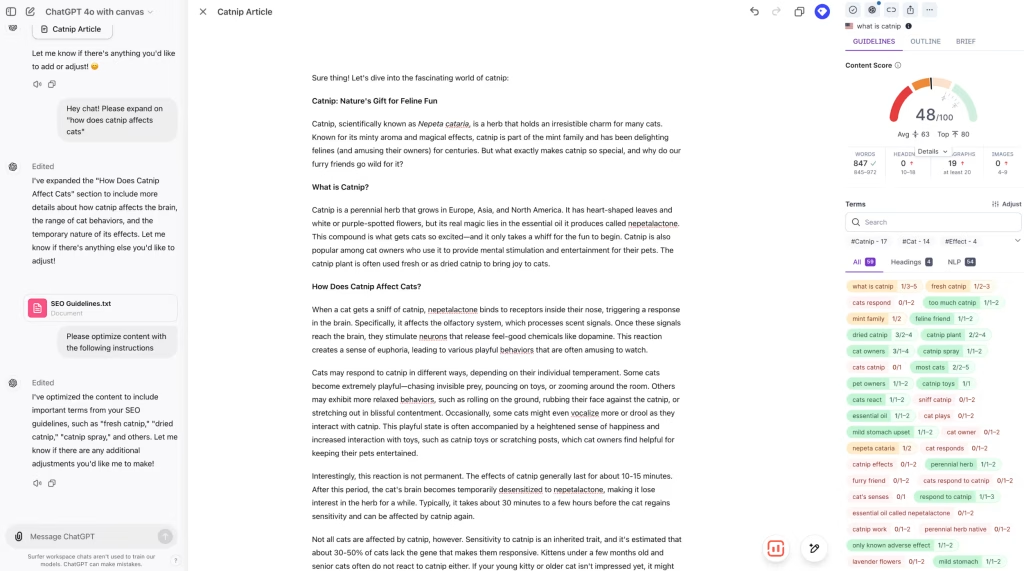
It’s also effective for drafting content when given clear instructions on tone, audience, search intent, and structure. ChatGPT’s canvas mode makes editing individual sections easier. However, it lacks built-in SEO optimization, which tools like Surfer address by integrating directly with ChatGPT to add keyword guidance and SEO scoring.
Conclusion
As Google AI Overviews, ChatGPT citations, and other LLMs continue to reshape how users discover information, SEO has clearly entered a new phase.
Using the right tools alone isn’t enough—without a clear execution framework, results will fall short. That’s why we created The Ultimate SEO Workflow Blueprint You Need, a step-by-step system for applying AI SEO tools in a way that actually drives results.
The good news is that SEO isn’t fading away; it’s evolving. The tools highlighted here show how brands can adapt by optimizing content for AI discovery, tracking visibility across AI platforms, and uncovering technical issues that are often missed through manual analysis.
To stay competitive, it’s critical to choose a platform built for both traditional SEO and AI search optimization. Those who adapt early will be best positioned as AI-powered search becomes the new standard.